Ski Goggles Lens Colour Guide: A Comprehensive Overview (12/16/2025)
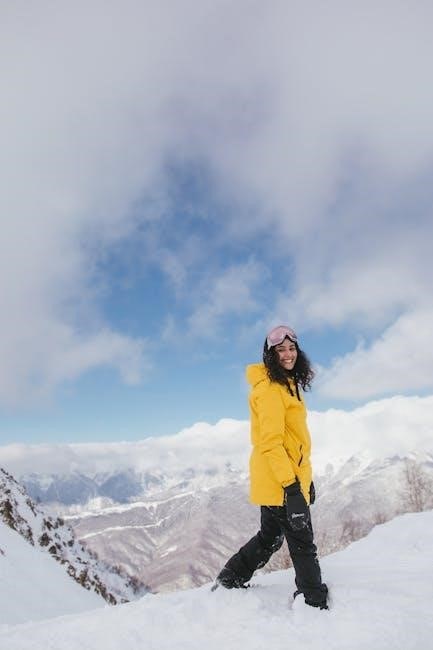
Ski goggles are essential for protecting your eyes from the sun, wind, and debris while skiing or snowboarding, and understanding lens technology is crucial for optimal performance․
This guide explores the impact of lens colour on visibility, offering insights into various options and advanced technologies available today, ensuring a safe and enjoyable experience․
Ski goggles have evolved significantly since the early days of skiing, progressing from basic eye protection to sophisticated pieces of equipment enhancing visual acuity and safety․ Initially, skiers utilized rudimentary shields, but as the sport developed alongside innovations like ski lifts in the late 19th and early 20th centuries, the need for more advanced eye protection grew․
Modern ski goggles aren’t simply about blocking sunlight; they incorporate advanced lens technologies designed to optimize vision in diverse weather conditions․ The core function remains shielding eyes from UV rays, wind, and physical hazards, but contemporary goggles address glare, contrast, and light transmission․
Understanding the interplay between lens colour, coatings, and features like photochromic or polarized options is paramount for selecting the right goggle․ SkiCentral․com emphasizes the importance of finding gear suited to individual needs, while FIS governs standards for safety and performance in snowsports, influencing goggle design and testing․

Why Ski Goggle Lens Colour Matters
The colour of your ski goggle lens profoundly impacts your ability to see clearly and react effectively on the slopes․ Different lens tints selectively filter light wavelengths, influencing contrast, depth perception, and overall visual clarity․ Choosing the wrong colour can lead to eye strain, reduced visibility, and potentially dangerous situations․
For instance, certain colours excel in flat light, enhancing contrast when visibility is poor, while others are optimized for bright, sunny conditions to minimize glare․ As highlighted in recent discussions about ski gear, selecting the appropriate lens isn’t merely about style; it’s a critical safety consideration․
Factors like weather, time of day, and terrain all play a role in determining the ideal lens colour․ Understanding how each tint performs in various scenarios allows skiers and snowboarders to maximize their performance and enjoyment, ensuring a safer and more comfortable experience on the mountain․
Understanding Different Lens Colours
Ski goggle lens colours range from clear to yellow, rose, blue, and more, each offering unique visual benefits tailored to specific weather and light conditions on the slopes․
Clear Lenses: For Night Skiing and Low Visibility
Clear ski goggle lenses are specifically designed for conditions where there is minimal light, such as during night skiing or on heavily overcast days with significant snowfall․ These lenses maximize light transmission, allowing you to see the terrain clearly when visibility is severely reduced․
Unlike tinted lenses, clear lenses don’t filter out any light, providing the truest colour perception in dark environments․ This is crucial for identifying bumps, shadows, and changes in snow conditions․ They are not suitable for bright, sunny days as they offer no protection from glare․
While primarily used for night skiing, clear lenses can also be beneficial during whiteout conditions or in dense forests where the light is limited․ They are a vital piece of equipment for skiers and snowboarders who enjoy extending their time on the slopes beyond daylight hours or venturing out in challenging weather․
Yellow/Amber Lenses: Enhancing Contrast in Flat Light
Yellow and amber ski goggle lenses excel in low-light conditions, particularly on cloudy or foggy days often referred to as “flat light․” These lenses work by filtering out blue light, which is the primary cause of haze and reduces contrast․ By blocking blue light, they enhance contrast and depth perception, making it easier to discern terrain features․
The result is a brighter, clearer view, even when the overall light level is low․ This improved contrast helps skiers and snowboarders navigate challenging conditions with greater confidence and safety․ They are a popular choice for overcast days, or when skiing in variable light conditions․
However, it’s important to note that yellow/amber lenses can distort colour perception somewhat, making it less accurate․ They are not ideal for bright, sunny days as they don’t offer sufficient glare protection․
Rose/Pink Lenses: Versatile for Varied Conditions
Rose and pink tinted ski goggle lenses are renowned for their versatility, performing well in a wide range of weather conditions․ They offer excellent contrast enhancement, similar to yellow or amber lenses, but with a more natural colour perception․ This makes them a popular choice for skiers who prefer to see colours accurately while still benefiting from improved visibility․
These lenses excel in partly cloudy conditions, providing clarity and contrast without significant colour distortion․ They are also suitable for bright days, offering moderate glare reduction․ Rose lenses are particularly comfortable for extended wear, reducing eye strain․
They are a solid all-around option for skiers who don’t want to switch lenses frequently, making them a practical choice for varied mountain conditions․ They are a good option for those seeking a balance between performance and comfort․
Blue/Indigo Lenses: Ideal for Sunny Days and Glare Reduction
Blue or indigo ski goggle lenses are specifically designed for bright, sunny conditions and excel at minimizing glare․ These lenses reduce the amount of light entering your eyes, providing superior comfort and clarity in intense sunlight․ They achieve this by absorbing higher energy visible light, particularly in the blue spectrum, which is a major contributor to glare off snow and ice․
This makes them an excellent choice for skiing at high altitudes or in environments with significant snow cover․ While offering excellent glare protection, blue lenses can sometimes slightly distort colour perception, creating a cooler visual experience․
They are not ideal for low-light conditions, as they reduce overall light transmission․ However, for consistently sunny days, blue or indigo lenses provide optimal visual acuity and eye protection․
Advanced Lens Technologies
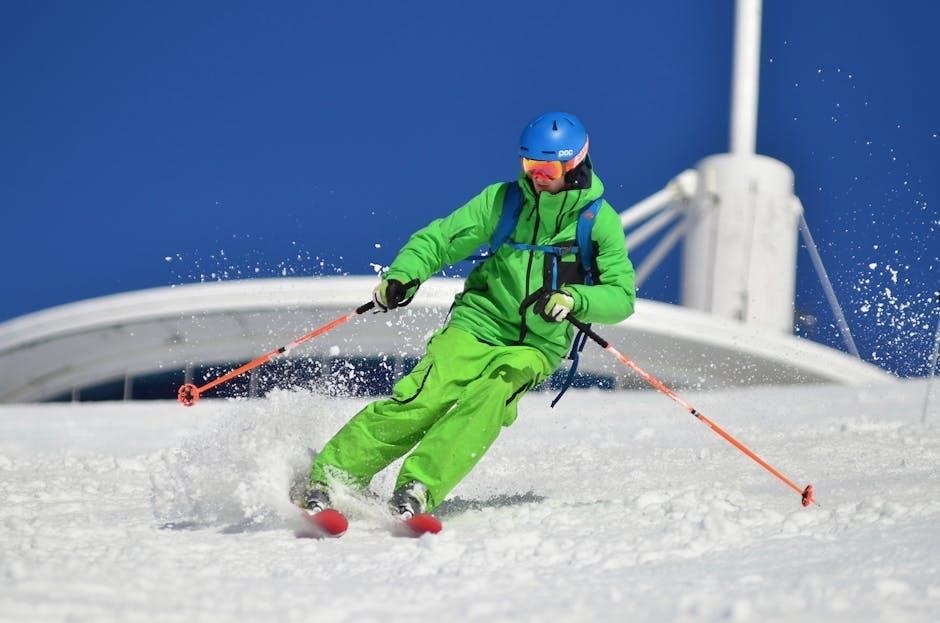
Modern ski goggles incorporate innovative technologies like photochromic, polarized, and mirrored lenses, enhancing performance and visual clarity on the slopes for all skiers․
Photochromic Lenses: Adapting to Changing Light
Photochromic lenses represent a significant advancement in ski goggle technology, offering unparalleled versatility for skiers facing fluctuating light conditions throughout the day․ These lenses dynamically adjust their tint based on the intensity of ultraviolet (UV) light․
When UV exposure is low, such as on overcast days or in shaded areas, the lenses remain lighter, maximizing visibility․ As sunlight increases, the lenses automatically darken, reducing glare and eye strain․ This adaptive capability eliminates the need to swap lenses frequently, providing a seamless transition between varying weather patterns․
The speed of the tint change varies between manufacturers, but generally, photochromic lenses react quickly enough to keep pace with most conditions․ They are an excellent choice for skiers who prioritize convenience and adaptability, ensuring optimal vision regardless of the weather․
Polarized Lenses: Minimizing Glare and Reflections
Polarized lenses are specifically engineered to combat the intense glare and reflections commonly encountered on the slopes, particularly from snow-covered surfaces and icy patches․ They achieve this by incorporating a special filter that blocks horizontally polarized light, which is the primary source of glare․
This filtering effect significantly enhances visual clarity and reduces eye fatigue, allowing skiers to perceive contrast and detail more effectively․ Polarized lenses are particularly beneficial in bright, sunny conditions, as they minimize the harshness of reflected sunlight․
However, it’s important to note that polarized lenses can sometimes interfere with the visibility of LCD displays, such as those found on some ski lift information boards; Despite this minor drawback, they remain a popular choice for skiers seeking superior glare protection and enhanced visual comfort․

Mirror Coatings: Reducing Brightness and Adding Style
Mirror coatings, also known as flash coatings, are applied to the exterior surface of ski goggle lenses to reduce the amount of light that enters the eye․ These coatings act like tiny mirrors, reflecting a significant portion of incoming light, thereby minimizing brightness and glare․ While primarily functional, mirror coatings also offer a stylish aesthetic, available in a wide array of colours and finishes․
The effectiveness of a mirror coating depends on its reflectivity; higher reflectivity equates to greater glare reduction․ These coatings are particularly useful in bright, sunny conditions, but they don’t replace the need for appropriate lens tinting․
Mirror coatings are often combined with coloured lenses to provide both glare protection and enhanced contrast․ They are a popular choice for skiers who want to improve visibility and make a fashion statement on the mountain․

Lens Colour and Weather Conditions
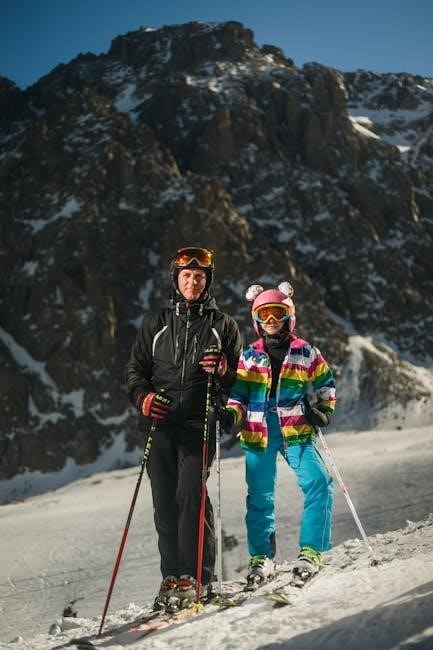
Selecting the correct lens colour is vital for optimal vision based on prevailing weather․ Different tints excel in varying conditions, impacting contrast and clarity on the slopes․
Best Lens Colour for Sunny Days
For bright, sunny days on the mountain, darker lens colours are your best bet․ Blue or indigo lenses are particularly effective, as they reduce overall brightness and glare significantly․ These colours enhance contrast, allowing you to clearly define terrain features even in intense sunlight․ They also minimize eye strain, providing comfortable vision throughout the day․
Grey lenses are another excellent option for sunny conditions, offering true colour perception while reducing brightness․ However, they may not provide as much contrast enhancement as blue or indigo lenses․ Mirror coatings, often paired with darker tints, further reduce glare by reflecting sunlight away from the eyes․ This combination is ideal for high-altitude skiing where UV radiation is particularly strong; Remember to prioritize UV protection when choosing a lens for sunny days, ensuring your eyes are shielded from harmful rays․
Ultimately, a darker tint with glare-reducing properties will provide the most comfortable and safe skiing experience on a clear, sunny day․
Best Lens Colour for Cloudy/Overcast Days
When the skies are grey and visibility is reduced, your lens colour choice shifts dramatically․ Yellow, amber, or rose/pink lenses excel in low-light conditions, enhancing contrast and depth perception․ These colours filter out blue light, which is prevalent on overcast days, making it easier to discern details in the snow and terrain․ They essentially brighten your field of vision, improving clarity when the natural light is diminished․
Amber lenses are particularly effective in flat light, a common occurrence on cloudy days, as they provide a significant boost in contrast․ Rose lenses offer a versatile option, working well in both cloudy and partially sunny conditions․ Avoid darker tints on overcast days, as they will further reduce visibility․ Prioritize lenses that maximize contrast and brightness to ensure a safe and enjoyable skiing experience when the sun isn’t shining․
These brighter hues will help you navigate the slopes with confidence, even when the weather isn’t cooperating․
Best Lens Colour for Snowy Conditions
Skiing during snowfall demands lenses that maintain clarity and contrast amidst the swirling flakes․ Rose, amber, and even clear lenses are excellent choices for snowy conditions, each offering unique benefits․ Rose lenses provide a good balance of contrast and colour definition, enhancing visibility without distorting your perception․ Amber lenses further amplify contrast, making it easier to spot changes in terrain and navigate through falling snow․
Clear lenses, while typically reserved for night skiing, can also be surprisingly effective in heavy snowfall, as they allow maximum light transmission․ Avoid blue or grey lenses in snowy conditions, as they can reduce contrast and make it difficult to see․ The goal is to choose a lens that cuts through the whiteout and helps you maintain a clear view of the slopes, ensuring a safe and enjoyable ride․
Prioritize lenses that enhance contrast and brightness to combat the reduced visibility caused by snowfall․
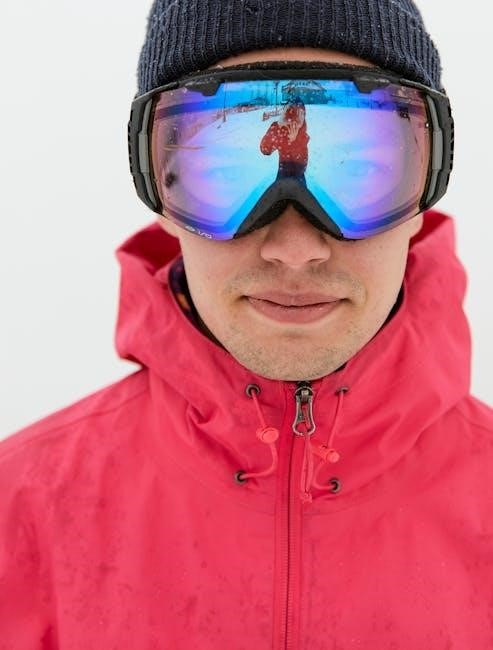
Additional Goggle Features to Consider
Beyond lens colour, features like anti-fog coatings, interchangeable lenses, and magnetic systems elevate goggle performance, ensuring clear vision and adaptability on the mountain․
Anti-Fog Coatings: Maintaining Clear Vision
Maintaining clear vision on the slopes is paramount, and anti-fog coatings are a critical goggle feature․ These coatings work by creating a hydrophilic layer on the inner lens surface, attracting water molecules and preventing them from forming fog․ Without this, condensation from your breath and body heat quickly obstructs your view, hindering performance and safety․
Different types of anti-fog treatments exist, ranging from basic hydrophilic coatings to more advanced technologies․ Some goggles utilize double-layered lenses with an integrated anti-fog treatment between the layers for enhanced effectiveness․ Proper goggle care, such as avoiding touching the inner lens and storing them in a well-ventilated space, further preserves the coating’s integrity․
Choosing goggles with a high-quality anti-fog coating is an investment in a consistently clear and safe skiing experience, especially during variable weather conditions or strenuous activity․ Regularly cleaning the lenses with a microfiber cloth, designed specifically for optics, will also help maintain optimal performance․
Interchangeable Lenses: Versatility for All Conditions
Skiing conditions are rarely consistent, making interchangeable lenses a valuable asset for any skier or snowboarder․ Goggles with this feature allow you to quickly swap lenses to adapt to changing light and weather․ Having multiple lenses – a dark one for sunny days, a lighter one for overcast conditions, and perhaps a low-light lens for night skiing – ensures optimal visibility at all times․
Interchangeable lens systems vary in complexity․ Some utilize a simple clip-in mechanism, while others employ more secure and streamlined designs․ Magnetic lens systems are gaining popularity for their ease of use and speed of lens changes․ Investing in a goggle with interchangeable lenses provides unparalleled versatility, eliminating the need to purchase multiple pairs of goggles․
Consider the ease of lens swapping and the availability of compatible lenses when choosing a system․ Proper care, including storing lenses in protective pouches, will prevent scratches and maintain their performance․
Magnetic Lens Systems: Quick and Easy Lens Changes
Magnetic lens systems represent a significant advancement in ski goggle technology, prioritizing convenience and speed for lens swaps on the mountain․ Unlike traditional clip-in systems, magnetic lenses utilize strategically placed magnets to securely attach and detach the lens from the goggle frame․ This allows for incredibly fast changes, even with gloved hands, minimizing downtime and maximizing time on the slopes․
These systems typically feature multiple contact points for a secure hold, preventing accidental detachment during activity․ The strength of the magnets is carefully calibrated to ensure a firm connection while still allowing for easy removal․ While generally robust, it’s important to handle magnetic lenses with care to avoid damaging the magnets or the lens itself․
Magnetic systems are becoming increasingly popular, offering a user-friendly experience for skiers and snowboarders who frequently encounter changing light conditions․
Goggle Fit and Compatibility with Helmets
Achieving a proper goggle fit is paramount for both comfort and performance, and crucial is seamless compatibility with your ski or snowboard helmet․ Goggles should sit snugly against your face, creating a secure seal to prevent wind and snow from entering․ A poorly fitting goggle can cause discomfort, gaper gaps (spaces between the goggles and helmet), and impaired vision․
Consider the width of your face when selecting goggles; models come in various sizes to accommodate different face shapes․ Helmet compatibility is equally important – ensure the goggles are designed to integrate with your helmet’s shape, avoiding any overlap or pressure points․
Many goggles feature adjustable straps and flexible frames to fine-tune the fit․ Testing the fit with your helmet is essential before purchasing, guaranteeing a secure and comfortable experience on the mountain․

Choosing the Right Lens Colour for Your Skiing Style
Selecting the ideal lens colour hinges on your typical skiing conditions and personal preferences․ Aggressive skiers favouring speed and varied terrain benefit from versatile rose or amber lenses, enhancing contrast in diverse light․ Recreational skiers primarily enjoying sunny days should opt for darker hues like indigo or blue, minimizing glare and eye strain․
For those frequently skiing in flat light or during storms, yellow or amber lenses are invaluable, boosting contrast and depth perception․ Night skiers require clear lenses for maximum visibility in low-light conditions․

Consider investing in goggles with interchangeable lenses to adapt to changing weather․ Ultimately, the best lens colour is the one that provides the clearest, most comfortable vision for your specific skiing style and environment․